States Move to Ban Cryptocurrency Kiosks as Scams Rise
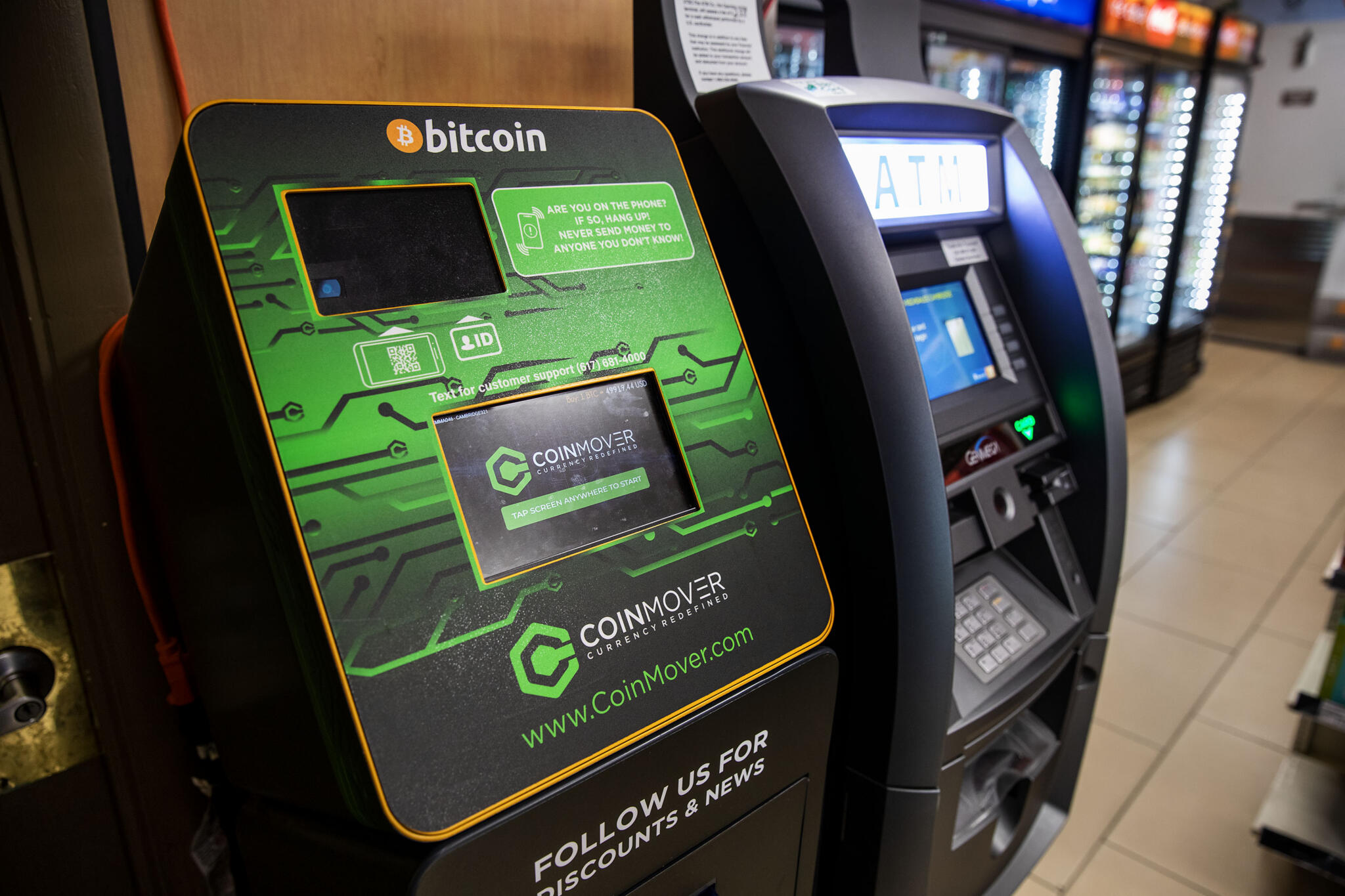
States and cities across the country are taking action to ban cryptocurrency kiosks right now. Local leaders want to stop these physical machines because reported financial scams keep going up. Officials hope these new bans will protect everyday people from losing their hard-earned money to bad actors.
Why are cities banning cryptocurrency kiosks?
Cryptocurrency kiosks look just like regular bank ATMs, but they let people buy or send digital money using cash. Fraudsters often trick victims into sending cash through these machines because the money transfers happen almost instantly. Once a person inserts their cash into a kiosk, the funds go directly into a scammer's digital wallet, making the money nearly impossible to trace or get back.
Because of these growing traps, local leaders feel they must step in with strict rules. Many city councils are voting to ban the machines completely from local stores and gas stations. Lawmakers hope that removing the physical cash points will make it much harder for criminals to carry out their schemes. You can learn more about how Cryptocurrency and crime connect by reading about digital money security risks.
What does the kiosk ban mean for everyday consumers?
If you use cash to buy digital coins at a local corner store, those machines might disappear from your neighborhood very soon. State and city leaders are prioritizing public safety over the convenience of physical crypto access. For most people, this change means one less risky way to handle transactions on the street.
Regular shoppers will likely see fewer of these bright stands in gas stations, convenience shops, and grocery stores. Store owners may also lose the rent money they got from hosting the machines inside their doors. However, lawmakers believe the sacrifice is worth it to prevent regular citizens from losing thousands of dollars to fraud.
How did local crypto scams get this bad?
Over the last few years, criminal networks started relying heavily on physical crypto machines to steal money from people who do not understand technology well. Scammers frequently call victims on the phone, pretend to be police officers or utility companies, and demand fast payment at a nearby kiosk. Because the victim acts out of fear, they feed cash into the machine before talking to anyone else.
This simple trick created a massive wave of reported losses across many communities. Traditional banks have fraud teams to stop suspicious transactions, but self-serve machines do not have human workers to warn victims before it is too late. As these sad stories multiplied, state and city leaders decided that full bans were the best way to stop the problem. Anyone interested in basic Cryptocurrency concepts should study how digital money operates safely online.
What should you watch for next as laws change?
More cities and state governments are expected to join this movement in the coming months. Officials in several regions are currently drafting new bills to shut down active machines and prevent new ones from opening. If your local government passes a total ban, companies will have to come collect their hardware and turn off their software.
You should also expect to see tighter rules for any digital coin services that remain open. Some places might not ban kiosks outright, but they could add strict cash limits, mandatory waiting times, or clearer warning screens on the display. For now, the main goal for lawmakers is keeping predatory machines away from vulnerable citizens.

