Springfield Plans Full Ban on Cryptocurrency Kiosks
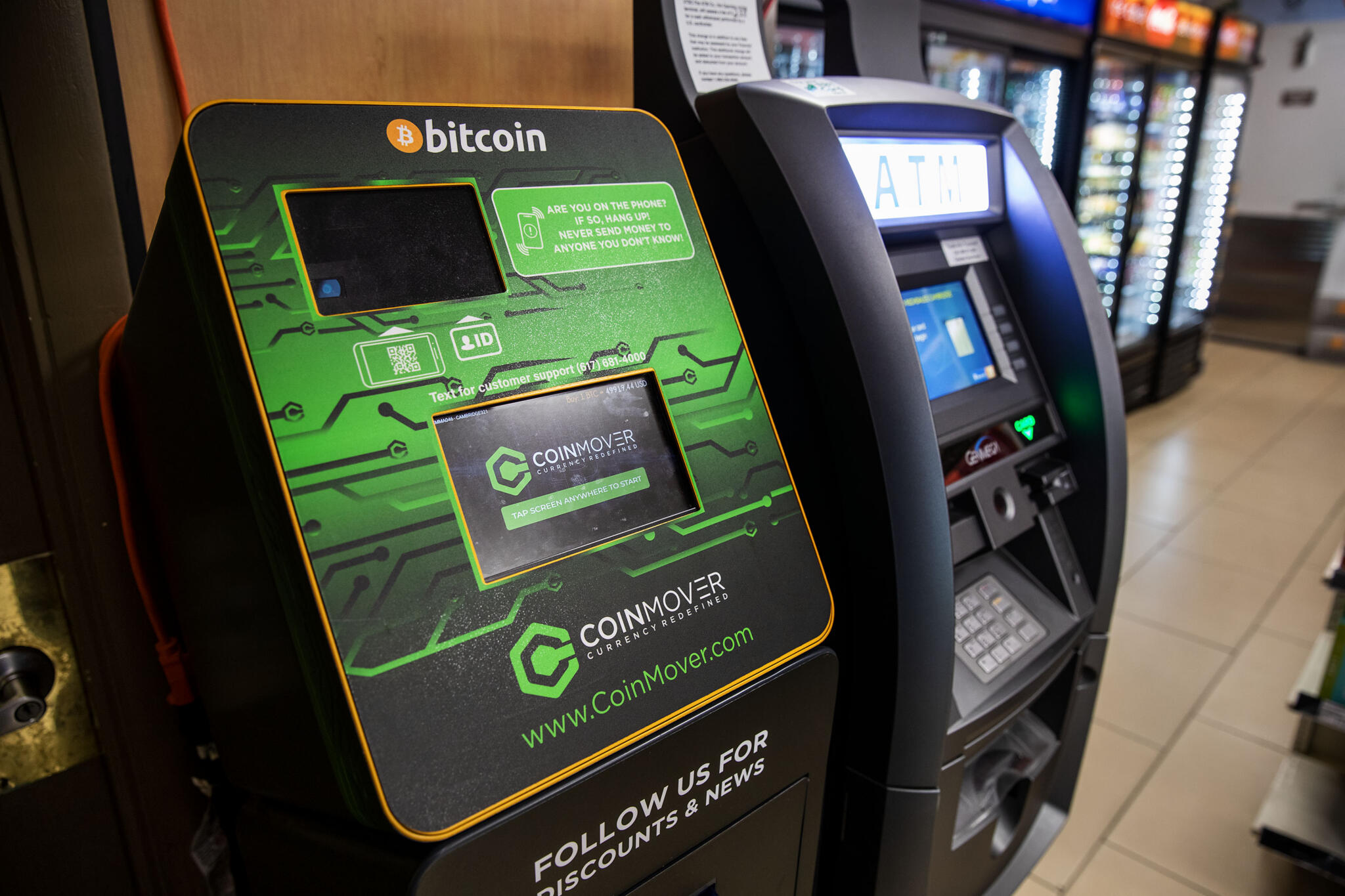
Springfield City Council plans to consider a complete ban on cryptocurrency kiosks across the city. Local leaders want to stop scammers from tricking people into sending cash through these machines. If approved, the rule will remove these physical crypto stations from local stores.
Why Springfield Wants to Ban Cryptocurrency Kiosks
City officials worry that these physical machines make it too easy for criminals to steal money from local residents. Bad actors often call people, pretend to be government workers or police, and demand fast payments. Scammers tell their targets to put cash into a machine that converts the money into cryptocurrency and sends it directly to a digital wallet.
Once a victim deposits cash into a kiosk, the money leaves right away and nobody can get it back. Regular bank transfers can sometimes be stopped or reversed, but kiosk deposits do not offer that safety net. Because of this issue, lawmakers see these stations as an open door for fraud in their neighborhoods.
How Do Crypto Kiosk Scams Work?
Understanding these machines helps explain why local leaders want them gone completely. Scammers rely on panic, fear, and confusion to push regular people toward these kiosks. The process usually follows a few simple steps:
- A scammer calls an everyday person and claims they owe money or face immediate arrest.
- The caller directs the victim to withdraw physical paper cash from their bank branch.
- The victim drives to a nearby kiosk inside a corner store or gas station.
- The victim feeds bills into the machine, which sends digital tokens straight to the thief.
Studies about cryptocurrency and crime show that physical kiosks have become a popular tool for street-level fraud. Scammers know these machines sit in easy-to-reach places like local convenience stores. Removing the physical kiosks takes away this quick payment path, making it much harder for thieves to cash out on ordinary citizens.
What This Proposed Ban Means for Everyday Residents
For most regular people, this ban would mean you cannot buy digital coins with cash at local shops anymore. Anyone who wants to buy or sell digital coins will need to use registered online exchanges through their bank accounts instead. Online platforms usually require identity checks and give people more time to realize they might be talking to a fraudster.
Local businesses that host these kiosks will also lose the extra foot traffic and rental fees they earn from the machines. However, city leaders believe that protecting vulnerable citizens matters far more than keeping the kiosks open. Many older residents are targeted by these quick phone scams, and stopping the harm is the top priority for the council.
What to Watch Next in the Springfield Council Vote
The city council will hold meetings soon to debate and vote on the full ban. Other towns and cities in the region will likely watch this vote closely to see if they should pass identical rules. If Springfield passes the measure, it could set a strong example for towns trying to protect their citizens from high-tech theft.
For now, shoppers can still spot these machines in several local stores while the council prepares its final decision. People should always talk to trusted friends or family members before sending cash to strangers through any street machine. Clear local action like this ban could soon reshape how easy it is to find crypto terminals on public streets.

